Monday, August 30, 2010

Aboard the Algoa

This morning three researchers from Rhodes University and I drove down to Port Elizabeth where we boarded the Algoa – our home for the next month. The ship is just over 53 meters long and holds 12 scientists and 23 crew members. It is designated as a marine and coastal research vessel, and is thus fully equipped with both a wet lab and a dry lab, a computer station, along with several other facilities for various projects.

Because I have never been on a boat of this scale before I don’t really know how my first impressions compare with those of people who are used to spending their days at sea, but I must say that claustrophobic people would not have a good time on a ship. Every hallway is short and thin and one walks down several flights of stairs just to get to the cabins. And everything is made of steel so one must be very careful when walking through the four foot high hallways not to hit their head! Once we boarded and walked down to our rooms, I was a bit overwhelmed by the tininess of everything and I felt a brief wave of nausea hit me, almost like my body was making me sea sick before we even went out to sea! But after going through the boat a number of times as we loaded our stuff I began to get used to the tight spaces and now I’m completely comfortable with the ship. This is a good sign as I didn’t want to be the one throwing up over the side the entire time we were out at sea. We are currently docked in the harbor scheduled to head out at 7am, and although we are sheltered from the brunt of the waves, the rocking of the boat is still very noticeable when one is sitting still. I can only imagine what it is going to be like once we’ve left the calm harbor, but in a way I’m kind of excited to head out to the rough waters along the coast. At least I say that now while we’re still stationary and close to land…

Our course will take us from Port Elizabeth to Cape Town – a distance of about 700km – in just over 26 days. There are several research projects going on (with 12 researchers on board) including one on sea birds, another studying whales, and one on general oceanography, but I will mainly be helping out with three projects that are being carried out by Rhodes post-docs here on the boat. The first is looking at suspended particulate matter (SPM) along transects and at different depths, another is looking at the distribution of mussel larvae throughout the coastline, and the third is measuring the abundance and structure of the microbial communities in the bay areas.

Although we have yet to start collecting samples and gathering data, I have already been told that the work is quite difficult, especially in rough seas. The shifts are from 12pm-12am so the hours are a bit odd and my sleep schedule might be thrown off for the next month, but nevertheless I am still very excited to head out and start with the research. The crew seems very nice and most of the scientists on board have already been on several research cruises so I am the newby here, but eager to learn how things on a boat are operated and what life is like out at sea. Should be quite an adventure! Oh and apparently they feed us like mad because we are working such long hard hours, so maybe the ocean is where I was meant to be all along!


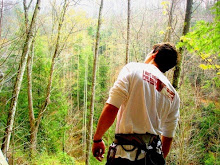
Scientist Max Seigal - sounds pretty offical eh?


There she is in all her glory - the Algoa, home for the next month!


The Algoa is a marine research vessel - quite cool that boats like these even exist!

Algoa's backside


Another view - it was hard to get a true perspective on how big (or small) she really is because nearby boats towered over her..but many of them were those megatankers from other continents so I didnt think it was fair to include them in the shot...


A short video - this thing makes you claustrophobic!

Saturday, August 28, 2010

A change of pace...

After spending the last three months on a farm in the middle of the Kalahari desert, it was a wonderful change of pace traveling down south to the coast. The scenery changed drastically from dry brown savannah to green and mountainous with a beautiful ocean backdrop. I had no idea just how beautiful this country really is when I was working up in the desert, but I must say that South Africa’s coast may be one of the most gorgeous spots I’ve ever been. It almost feels European in a sense; small towns tucked away in between adjacent mountains, vineyards scattered around the most beautiful of locations, and spectacular old architecture remains from the early settlers. But most impressive, in my opinion, is the remarkable contrast I’ve found in this country. To drive a few hours and go from Kalahari desert, through grass field and savannah, rolling hills to mountains, past forests and sand dunes – it is just unbelievable how diverse this country is. Someone could spend years traveling through South Africa and still not see all it has to offer – it’s almost overwhelming!

When I was working on the farm I met a brother and sister who lived in the nearby town but went to school in a town called Stellenbosch, about 30km outside of Cape Town. Because I needed to head in this direction to renew my visa, I went to visit them for a week. I had been corresponding with a professor from Rhodes University in Grahamstown about helping with a research project starting once my visa was renewed, so the plan was to hang out with my two friends until my visa paperwork came through, and then head off to help the university as a field assistant. Stellenbosch was absolutely fantastic, so I had no quarrels with this plan. Surrounded by mountains on all sides, the view from the town is spectacular. The region is also well known for its wineries, so it greatly resembled Napa Valley in that one could drive only a few kilometers and pass by several vineyards. One day all of us drove around on a wine tasting tour, checking out several of these amazing wineries. The vast majority of them remain in the original structures – over three hundred years old – and boast several acres of grapes as well as stunning views of the surrounding mountains. It was my first time on a wine tour and I must say it was a magnificent time.

After being away from the mountains for so long when I was on the farm up north, it was quite a luxery being in Stellenbosch where I was surrounded with huge peaks on all sides. I tried to find my way up a different mountain each day, despite the lack of hiking trails in the area. It meant a little extra scramble and a little less casual, but it was quite entertaining trying to find my way up the rocky hillsides with slopes as steep as 70 degrees. It also made me realize how out of shape I was after sitting around for three months on the farm as I struggled for breath and had trouble moving one foot in front of the next on something that I probably would have had little issue with back in Boulder.

After my week in Stellenbosch, my paperwork had come through on my visa and it was time to head to Grahamstown to help Rhodes out with their coastal research. A few students were making the 12 hour trek back from Cape Town and I had made arrangements to catch a ride with them. Luckily the entire drive hugs the shoreline so the scenery is breathtaking the entire way. Not only that, but every year during August there are hundreds of whales that come to the region to calve, so as we drove along I would look out my window and see whales jumping out of the water. Quite a marvelous sight! And there are also a few scattered beaches with wild penguins (weird right?? Penguins in Africa?) so we stopped at one to check them out. Cute little buggers, a little stinky…but still cute.


A view of Stellenbosch from one of the peaks


Another view of Stellenbosch, surrounded by mountains


This is what it looked like hiking up the surrounding mountains - very steep and very rocky


Driving along the coast


Another view of Stellenbosch


A penguin we saw on one of the beaches


I arrived in Grahamstown about a week ago and have been helping a master’s student with her field work, which I must say is no easy task. She is studying the invertebrate communities along sandy beaches so every day we go to a new beach (cool!!) to collect data. It takes about 8 hours to collect all the samples she needs, and the works is very laborious and back breaking. The work revolves around the tides, so often we are out the door by 6am to make it to the site in time for low tide. Once we get to the sampling site, we spend the entire time coring out sand with a big tube then sifting through it with a small mesh net and bagging the contents. Very tedious indeed! Before this trip I would have thought it would be impossible to find a research project on the beach that was not enjoyable…I mean, you’re on the beach for crying out loud! Well, turns out I found a non-enjoyable activity while on the beach…coring and sifting sand for eight hours a day. Then on top of that we have to carry all the samples out, usually a mile or so to the car. The extra 75 pounds doesn’t make for a very pleasant walk back. That’s field work though, and despite its unpleasantness, I’m still glad to be out here and having the experience.

On Monday (Aug. 30th) I am heading down to Port Elizabeth where I will be helping out with a different project – a month long ‘research cruise’ to Cape Town collecting mussel larvae samples. This should be quite an interesting experience as I have never spent more than a few hours on a boat before, and here I am about to embark on a thirty day voyage, but nevertheless I am very excited (and a bit nervous…my mom gets very seasick and I can only hope that she didn’t pass those genes on to me). Should be a great time though, as long as the weather doesn’t act up. I must say, the waves in South Africa put those in America to shame. I’ve paid particular attention to the waves while I’ve been helping out with the beach project because I will soon be out there on the water, and noticed that they are extremely big! In fact, it is not uncommon for 15 foot waves to come crashing to shore. A bit unnerving when I’m about to ship out, but hopefully nothing too overwhelming. Anyways, should be a good time!


Walking to our sample site along the beach


The samples we are collecting

Tuesday, August 17, 2010

Lesotho visa-run

With my visa expiring in just over a week and hopes of staying in South Africa for a few more months, I began to worry about how I would remain legal in the country. Apparently the process of extending a pre-existing visa takes anywhere between 30-60 days. In other words, little Max Seigal would be walking around South Africa as an illegal alien for nearly two months, and if the visa application was not accepted it would be nearly impossible to leave the country without some kind of major penalty trying to exit on a visa that expired several months prior. So I did my research and scanned the internet for any information people could offer.

Apparently it used to be common practice for someone with an expiring visa to cross the border into a neighboring country, thus being stamped out on their existing visa, and simply cross back into the country and receive yet another 90 day visa from border control – a sneaky technique known as a visa run. My eyes lit up as I read the numerous accounts of people successfully renewing their visas this way, but then I began looking at the date of their internet postings and realized that most of these were written over five years ago. As I continued to read, it looked like border regulations were now more stringent and people were no longer given new visas when they re-entered the country.

Well, with six days remaining on my own visa I was ready to try anything. Even my scheduled flight out of the country left after my visa expired, so if anything I still had to find a way to extend my visa until then.

The next few days became a painstaking struggle of trying to figure out the best way to exit the country, considering I was carless and had some serious luggage to haul around with me. Looking back at all the people I had met in the last three months, I hoped that someone was close enough to call for help in some way, but it turned out the farm I was at was completely isolated from all the friends I had made. Next I called rental car companies, and for $50 a day I figured it might be the cheapest and best option to simply rent a car and drive myself. Then I read the fine print and that option quickly flew out the window. Cross border fee: $200, under the age of 23 fee: $100, Millage allowed: 200km – every km thereafter costs 50 cents (I would travel about 700km to the nearest border which would have added another $250). Well, I wasn’t about to blow $700 on a one day car rental simply to attempt a visa-run that I didn’t have confidence in working, so I would have to figure something else out. I looked at busses, trains, anything and everything, but there just wasn’t much in this part of the country. The next bus that went even remotely close to the border was in five days, and the return bus another five days later, so public transportation wasn’t even an option.

The only real option left was hitchhiking, at least for a good portion of the trip. Because I didn’t want to bring all my stuff with me (hitchhiking with two big suitcases doesn’t exactly say ‘low profile’) I would have to make it there and back – nearly 750km. I think I wrote in an earlier post about how hitchhiking is common practice in South Africa, playing a major role in how the majority of the population gets around cheaply. Usually someone will hitch 10-15km for a fee of about $2, so it’s not only a good way to get where you’re going, but it helps out the driver as well. Despite nearly every white person in South Africa claiming hitchhiking is dangerous and they would never be found doing it, I would actually argue that, if done correctly, it can be a quick and somewhat safe way to get around. That being said, there are obviously some ground rules to follow: don’t get into a sketchy looking car, always carry some sort of protection on you (knife, pepper spray…), and preferably try to go with a friend so that you are not alone. Unfortunately for me, I was thinking I would have to make this long journey by myself.

There was one other student with me on the research farm, and I was trying to explain the stress of the situation and how I had no way to get to the border and my soon-to-be illegal status. Despite his pity (he was on a student visa – they are good for two stinkin’ years!), there wasn’t really much he could do to help – so that afternoon I gathered up my courage and packed a sleeping back into my backpack and waved goodbye to Josh as I headed out the door. He said he wished he could come with me, that the journey might actually be kind of fun and interesting. Without really giving him time to think about what he just said, I jumped on his remark and told him that it would be extremely helpful if he did come along. I considered the possibility for a second, and thought it might actually be possible. His truck had a flat tire so he wasn’t able to go out and track the animals that night anyways, and because it happened to be a national holiday he wasn’t able to get a new tire until tomorrow. I told him that, if all worked to plan, we would be back by tomorrow evening and I would be his slave for the next few days (the work he does is much much easier with two people, in fact it’s hardly even possible with just one, so I knew that if I offered myself as a slave for a few days I might temp him even further into joining me). He thought for a second, then told me he didn’t have his passport with him; it was at his uncles house nearly 600km away. I quickly rebutted his remark by telling him that I would quickly walk across the border then cross back in while he waited for me on the South African side – trying to work any angle that I could to get him to come. I wasn’t comfortable hitchhiking 750km on my own and the thought of having him with me made the whole situation sound like a much better idea. Offering to pay for his entire way, including the night I was expecting we would spend at some backpackers along the way, I somehow talked him into grabbing his sleeping bag and running out to join me. A huge wave of relief ran though me now, and I felt much safer knowing there would be two of us in this journey. And what a journey it would be!

It started out with a 3km walk to the main road from the research house. The farm entrance, however, was pretty much in the middle of nowhere, so it spat us out about 20km out of town on some random stretch of highway. Thinking this might actually benefit us because people would feel sorry for us when they saw how far away from any kind of civilization we were, we figured it wouldn’t take long before someone stopped to pick us up. We started to walk, thumbs up, and waited for our fate. Lucky for us, the next car that drove by was a ‘taxi’ minivan that drove the stretch between Kimberley and Bloemfontein – 160km and halfway to our destination. For $8 each, we eagerly hopped on. My first observation on the van: holy freaking moly it was hot, it must have been at least 110 degrees in that thing. Packed with people, there was not the slightest bit of wiggle room either, and everybody was sitting there swimming in their own sweat and rubbing up against each other. Miserable. For nearly two hours we would have to cook, probably stepping out medium rare when we got to Bloem. Second thing I noticed: this car had some serious steering issue. As we drove the completely straight highway, the van seemed to swerve all over the road. I sat in my seat wide-eyed in fear as I stared at the straight road ahead as we weaved left and right along it, praying that no oncoming traffic would sandwich us as we flew 130km/hr down the one lane freeway loaded with cars and trucks.

Halfway to Bloem, about 90km down the road from the farm, the van stopped by a nearby parked car on the side of the highway. Our driver got out and collected all the fares from us passengers, then handed a big wad of cash over to the driver of the car. Wondering if I was witnessing some kind of drug deal taking place in the middle of my cab ride, I stared intently at the interaction between the two men, but just then our driver jumped in the car and drove off. The other man must have been a replacement driver because he hopped into the van and drove us the remainder of the way.

When we arrived in Bloem the driver asked us where we wanted to be dropped off. I knew a bus departed at 6am every day going to the border and had originally planned on sleeping at some backpacker and heading out early in the morning, but Josh suggested that we just continue with the taxi van route we started and head to Lesotho that night. While I agreed it would be quicker and easier, I was not comforted by the fact that it was already 2:30pm. A little worried that we would be hit with nightfall somewhere where we didn’t want to be – like in the ghetto taxi ring area in Bloem or along the border of Lesotho – I thought twice about his suggestion, but then figured what the heck, might as well give it a shot. We bought our tickets from the taxi-man pimp – a guy behind a glass counter with hundreds of bills in his hand and what looked like no form of organization – and jumped on the ride that would take us all the way to the border. We were the last two people on the bus as it was already [over] full. People were crammed into seats like sardines in a can – literally 25 of us were smashed into a van made to fit 18, along with each person’s suitcase piled up along the aisle, the stack nearly touching the ceiling.

Let me start off by saying you would never ever find a white South African using these taxi vans as a form of transport. After speaking with many people who visited the farm previously, none of them would ever have taken one of these taxis, claiming they are too dangerous, sketchy, black, etc… so it goes without saying that Josh and I were the only white people within a thousand meter radius at the taxi ring, and of course we were the only whites on the van. This didn’t bother me though, and I like to think of myself as an exception to the typical white person these blacks are used to meeting; coming from the states I am accepting and don’t hold a racist stigma. I started to chat with the old man next to me, and what an interesting story he could tell. Not only does he speak something like five languages (including this really cool language spoken by bush-men where they make clicking sounds with their mouth mid-speech), but he was also very friendly and we had a wonderful talk along the ride.

Despite being hot and stuffy on the bus, I think it was one of the most amazing rides I’ve taken. Having been stuck in one area for the last two months, a relatively flat place without much scenery, this bus ride was absolutely stunning. The landscape changed from Kalahari flatland savannah to rocky, mountainous hills covered with trees and boulders. And spectacular it was; the view was amazing and the land was absolutely beautiful. Unfortunately I didn’t have my camera with me – one more thing to lose if I got mugged on this crazy adventure.

When we were rounding the final mountainous corner, about 2km from the border, we were pulled over by the police for a random vehicle check. The officers came in and started checking everybody’s passports, at which point my heart nearly jumped out of my chest. Josh didn’t have a passport on him, and I couldn’t even fathom what the police might do when they found out. With nothing but the border ahead, there was no reason anybody would be traveling this road other than to cross the border. Not only that, but if he tried to explain the truth of our story – how he is just accompanying me as I try to pull off a visa-run by crossing the border for five minutes – I thought we would get in even more trouble! My head was nearly spinning as the officer checked each and every persons passport, and I saw that Josh had gotten off the van and was standing outside. I thought he had been caught, and had no idea what they were going to do with him. Even the driver receive a fine for breaking safety codes – first for shoving way more people into the van and also for clogging the aisle with endless amounts of luggage, immobilizing everybody inside. He handed the driver a piece of paper, then walked away. Half expecting him to cuff Josh and throw him in the back of the police car, I was shocked when Josh simply slid back onto the van and we drove off.

Clueless as to what just happened, I had to wait until we got to the border before I could ask Josh, who was at the front of the bus, how he managed to sneak by the passport check. When we finally arrived at the border, I ran up to Josh and asked him what had just happened. He told me that he simply got off the van when they were pulled over, and for some reason he was completely overlooked when they were searching passports. Sheesh I thought, that was a one in a million shot - what a lucky boy this one was.

Next I told him to wait just outside the tunnel as I headed into the entrance to the Lesotho border control. The last thing I wanted was to lose each other in the mass of people that surrounded the border. It was chaos – people selling food and gifts, people trying to exit the country, taxi vans everywhere, swarms of people entering the country – so I made sure we had a meeting point when I returned.

I walked through the long corridor to exit South Africa, got my passport stamped as I left, then walked out on the Lesotho side. I turned around, walked back up to a different counter (hmm it might be a bit conspicuous if some guy you just stamped out one minute ago shows up to be stamped back in…), crossed my fingers, then handed over my passport. Being the only white person for miles, it didn’t help with the whole blending into the crowd plan. The lady glanced at my passport, and I asked her for a 90 day visa (as I was told to do by home affairs in Kimberley). She looked shocked when I asked her this, then told me she would have to speak with her supervisor. He came over and had a look at my passport, then gazed at my skeptically while I tried to explain my situation. I told him how I was helping with research, how the office of home affairs in Kimberley told me that I should try this, and even showed him a note from a professor at Rhodes University describing how they needed my help on a project for the next few months, but he didn’t seem to care. Without giving me the slightest pity, he told the border lady to stamp me for six days – exactly what I had left on my visa before I even crossed the border. Arguing was futile, this guy wouldn’t budge.
Shucks… my only real plan hadn’t worked. My visa would expire in a few days, and now I couldn’t even fly out on my original ticket because I had purchased it for the week after my visa expired. Now I thought I was really screwed, and would have to find my way to Namibia or Batswana for the next week. Ugh, and after all that traveling and stress and hoping, all of it for ten seconds of rejection at the border. Well, at least I got to go to a new country eh?

We took the first taxi-van we could find to Bloem, but it was already 4:30pm. That meant it would be dark when we arrived, and I wasn’t sure if there would be another taxi headed towards Kimberley at that hour. Not only that, but I didn’t know where we could sleep for the night or how dangerous the sketchy taxi neighborhood got once darkness fell. Oh well, we figured that we could deal with the situation once we got there. Anything beat staying there at the chaotic border.

We arrived in Bloem at 6:30, an hour after sunset. The taxi dropped us off at some random street corner, so we ran the couple of blocks to the taxi rink in hope of catching a late ride to our final destination. Turns out we were in luck! There was one last taxi, almost full at this point, and it’s destination was Kimberley! I paid the taxi pimp for the two of us, crammed inside the over-packed vehicle, and we were off! The plan was to ask the driver to stop when we drove past the farm, which was about 20km outside of Kimberley city and on the road we were supposed to take to Bloem. This, of course, would be all too easy. Turns out the driver took some back road to drop off one of the passengers along the way, so we never ended up driving past the farm.

The two of us were left at the bus station in the center of Kimberley, about 25km from where we were staying. ‘It could be worse’ I told Josh…I mean, we had already made it this far in one day, and we hadn’t even been mugged yet! So we started walking, and after about thirty minutes we made it to the edge of town. At this point, we had a twenty kilometer stretch of highway between us and the entrance of the farm, so we figured we might as well try hitching one last time and really try our luck. This time, however, it would be much more frightening as it was about 10pm and there were no taxi vans to rely on. Of course, we would still try to be as safe as possible by avoiding any sketchy looking vehicles and keeping a hand on our dinky little pocket knives, but this hardly eased the fear.

The second car that drove past us pulled over just ahead, two black guys in their thirties with a nice-ish looking SUV. Hmmm we thought, but after we told them where we were headed, they assured us that it wouldn’t be a problem dropping us off there. We nervously stepped in the car, and we were off. I tried to make small talk with the guys to make it seem like we were nice guys and not worthy of being mugged, and they came off as being quite friendly as well. A bit of relief, but I still had no idea what to expect down the road. Well, after about 15 minutes we pulled up to the farm entrance and they let us out. Still a little surprised with how easy that was, and by the fact that we were still alive, we paid them a couple bucks and thanked them for their generosity. We marched our way down the dirt road back to the safety of our little research house, and ranted about the sketchiness of that last car and how lucky we were that the guys who picked us up were actually decent people. What a day, what a day… and I couldn’t believe we had done it all in just that! I expected this whole process to take at least a week, especially after looking at bus schedules, but it turns out we made the entire 750km trek to the Lesotho border and back in a little over 10 hours. Not bad for a couple of Americans wandering around in Africa. Not sure I’d want to do it again, but nevertheless it was quite an experience!

Long story short, I thought that after my visa-run had failed I would somehow have to leave the country for the next week until my plane flew out, but after speaking with somebody at home affairs I learned of yet another way to extend my visa. This time, not only was it legal, but it was almost guaranteed to work. So I took a bus down to Cape Town where I would apply for a student visa extension with paperwork from that professor at Rhodes University asking that my visa be extended so I can help them work on research projects. This didn’t mean that things would go 100% smoothly however, as my 12 hour bus ride ended up taking about 18 hours after it broke down for five hours. Besides that though, I was surprised by how easy the process was. I went to home affairs and filled out the stack of paperwork, and after a few hours I was stamped back in the country for another few months! No more worries about being an illegal alien, woohoo! And best of all, the scenery changed from the somewhat boring flatlands to absolutely stunning mountains hugging the coastline. It’s amazing what I’ve been missing out on down here! The south is gorgeous, unlike anything I’ve ever seen before.

Sunday, August 8, 2010

Tracking aardwolfs and banding weavers

Last night I went out tracking aardwolfs with a fellow student (Josh) who is staying here at the research house. A little behind schedule, Josh needed to track as many of the 11 collard aardwolfs as he could, so we left for the field around 4pm. Each animal must be followed for at least one hour, and it takes nearly that long just to find the dang things, so the plan was to track five or so animals and (hopefully) return to the house before 3am. Unfortunately, these animals tend to be skittish around the vehicle and usually take off at first sight of us. Occasionally, however, one will behave and carry on with its own business as we track it, but this is typically only true of females. The males, on the other hand, spend the majority of the hour running. We started the day off by tracking one of the temperamental males, and boy did he live up to his reputation. It was a non-stop chase through the field – and to make matters worse we constantly had to turn off the truck and scan the field with the telemetry receiver, allowing the bugger to gain more distance.

After about twenty minutes, the aardwolf ran into a patch of thick grass where, not only was he impossible to see, but neither were the termite mounds or aardvark holes that littered the field. As we smashed termite mound after termite mound, continually taking two foot plunges into deep holes in the ground smashing both the car and our backs, we nearly gave up on the chase entirely. Just before calling it quits, the grass suddenly cleared and we saw the animal a couple hundred meters ahead. We continued to follow him as he ran for the remainder of the hour, then sighed with relief when the time was up. Surprised that the truck survived the wild chase, I suggested we follow a female next to give the vehicle some recovery time.

As the night went on, we were doing quite well. We had tracked four animals by midnight, and were going to try for two more. By this time, my eyes were already getting droopy and I all could think about was my nice cozy bed back at the house. We had to push on though, so we began the search for the fifth aardwolf of the night, another male. After finding him around 12:45, the real fun began. We began to track him through the thick grass we found him in, and although he wasn’t galloping full speed away from the vehicle (thankfully), he wasn’t exactly walking at a leisurely pace either. Things were going fine for the first thirty minutes as we swiftly chased after him in the field before we heard a terrible screeching sound of metal on metal come from underneath the truck.

I stepped out to look at what had happened, and somehow we had managed to drive through a massive coil of barbed wire that was, for some odd reason, simply left out in the middle of the field. Things didn’t look good as it had coiled around the drive shaft thing under the car, that long tube that spins as you rev the engine (pardon my lack of knowledge when it comes to car parts). In other words, it looked bad. Real bad. And of course neither of us had thought to bring wire cutters with us into the field, so we had a nice 6 kilometer walk though back to the house. At 2 am, I could have thought of a few other things I’d rather be doing that walking nearly four miles through the prickly long grass back home, but luckily it wasn’t as bad as I was expecting.

This morning we started up the ancient land cruiser that probably hasn’t been driven in ages (the thing doesn’t even have breaks for crying out loud!) to head back out to the truck and free it from the web of barbed wire. Armed with wire cutters, we snipped and snapped through the tangle of metal beneath the truck and finally managed to liberate it from the grasp of the barbed wire. We drove both cars back to the house, checked for any further damage that may have occurred underneath the truck from the treacherous terrain we had been driving through the night before, and finally prepped it for tonight’s tracking session. This time I’m leaving the sandals at home and bringing a pair of real shoes!


The old land-cruiser we drove to pick up the tangled up truck


The mess of barbed wire underneath the vehicle - note how it wrapped around the drive shaft


More barbed wire...


The clump of barbed wire we got stuck in the night before.


This is a view of the walk home. See those tall trees straight ahead, way in the distance? Yep...that's our camp...


On a separate note, a crew of French bird researchers came to the house for a few weeks to study sociable weavers. Our schedules didn’t match as I often stay in the field until 1am and they typically leave the house around 4am, but one afternoon I asked them if I could tag along with them the next day. Having done some bird-banding back in Ohio, I was familiar with the process and they told me it would be fine if I joined. Eager to gain as much experience as I can down here, I was excited to watch and help them net and band the birds.

The next morning we left the house at 4:30 and drove to the border of the farm where there are large weaver nests bundled up in the majority of trees. The particular nest that we would work on only had about twenty birds so it would be a relatively quick morning of banding. Even the kids came along (there were three kids with this group of researchers). We surrounded the tree with mist nets, a process that takes nearly an hour, then set up a little table where we ate our morning breakfast. After the meal we walked back to the nest in preparation to catch the birds. With about thirty minutes left before sunrise, we roused the birds with loud noises and a stick to shake the tree’s branches. This way we are sure that all the birds leave the nest rather than letting them exit on their own, in which case several may remain inside.

Once the birds fly out of their nest they get caught in the net and we go to work carefully removing each individual and placing them into little cloth sacks where we can keep them until we are ready to work on each bird. The process of removing a bird from the mist net can be daunting as these fragile creatures are so easily damaged, so it is imperative to be very gentle when handling them – a difficult task when they nip at your fingers and flap around, only tangling themselves further.

Only 17 birds were currently living in this nest, a small number compared to the 120 caught in a nearby nest the day before. Once all the birds were in their sacks, we took them back to the car where the crew kept their supplies for measuring various features of the birds, as well as the banding kit. Each bird takes about 10 minutes to work on, and once all the data is gathered from that individual we let it go and watch it fly away. We finished up around 10am, a very quick morning compared to most days they had spent in the field. It was a great experience; very neat to get to handle these African birds and I had fantastic time learning about the research they were conducting.


Pre-sunrise breakfast in the field


The mist nets set up around the tree - the big dark blob in the middle is the weaver nest


A red-headed finch that also managed to get stuck in the nets


Carefully removing the birds from the nets is a difficult task!


Sociable weaver in hand


Sociable weaver - not the bands on his legs


First time excitement of touching one of these birds

Sunday, August 1, 2010

Greedy groundsquirrels,pooping peacocks, and fifty thousand flamingos

There are four peacocks that run freely around the research house, three females and one male. Each day they wait patiently outside the front door for me to come out and give them some of my morning bread, which may explain the slight weight gain I’ve noticed in them since I’ve been here…Anyways, they are very funny creatures, each has a very different personality. One of the females is quite bossy and likes to get her way, knocking away any of the other peacocks that may get in between her and a bread crumb. I have named her Vanessa. The other two inferior peacocks (Valmerie and Stephanie) keep their distance, knowing that if they want to walk away from breakfast with the same number of feathers that they came in with, then they don’t mess with Vanessa. The male, Frankie (in memory of my explored companion back at the farm), is a bit of a klutz. He trips over this and that, and I think it’s due to the massive bouquet of tail feathers he struts around with. The peacocks add to the character of the house, but there is a definite downside to their presence. If anybody has seen – or better yet smelled – fresh peacock poo, then they know what I am talking about. I’m talking about a stinking, steamy pile of goo the size of a tennis ball and holy moley does this thing smell horrid. I used to think my cat Katy had smelly poo’s, but they were nothing in comparison to this. Worst part of all – these birdies are not potty trained. Not in the least…in fact not only do I wake up to find four hungry peacocks staring at me through the front door every morning, but I also wake up to four fresh peacock poops laying right there in the doorway. Talk about a nasty cleanup job. And just when you thought that was bad, they go around pooping in the little grassy patch out front where everybody walks through to get to the house. It’s not uncommon to walk inside, trailing that one brown footprint all through the house before you stop long enough to get a good whiff, then turn around to see the lovely brown smears you’ve just dragged all over the floor. Just one of the pleasant consequences of living amongst the peacocks I guess…


Morning Visitor - you better not poop on that rug Frankie!


Feeding Frankie


Chomp chomp chomp...Frankie loves my old bread!


Peacocks flock for their morning breakfast. As usual, Vanessa leads the pack (in front)


How nice of them to leave behind a little treat


The ground squirrels that live around the research house are very curious little buggers. They are constantly running around the lawn using their nose as a guide, nibbling on anything they can get those squirrely little hands on. In fact, if you walk out with a piece of bread and sit down for just a few minutes, you may very well be mobbed by those hungry little creatures. Even more fun, I’ve noticed, is to place the bread somewhere on your lap and wait for them to crawl up and start munching right there on your leg. I’ve been tempted to reach out and pet the little guy as he sits on my lap eating my bread, but something tells me he’d react something like my cat does – by turning around and biting me. My goal on this trip was to leave Africa the way I came in, and that means sans rabies or parasites, so I’ll do my best to avoid being nibbled by a wild animal. In spite of this, however, I’m quite surprised how delicately the squirrels end up taking the food from your hand. Unlike the peacocks who just peck at whatever is in front of them (I’ve learned to keep my thumb pressed against my other fingers when feeding the peacocks by hand because they end up just pecking anything and everything, including fingers that might be out in the open), the squirrels on the other hand are almost graceful when they take food from your hand. They will gently sniff the piece of bread for a second, then carefully grasp it with their fingers before slowly putting it in their mouth. It’s quite cute actually, unlike those stinking peacocks who just slam their beaks into whatever looks like food. And best of all, these little guys don’t leave huge piles of gooey poo all over the place!


Ground squirrel on the lap


Feeding the ground squirrel


About two months ago a guy who was visiting the farm decided to take a day trip to the city of Kimberly about 200km away. Kimberly is location where diamond mining in South Africa really took off in the early 1900s, and today holds tourist attractions like “The Big Hole” – the original diamond mine. I anxiously asked if I could tag along for the ride, eager to get off the farm and explore more of this country I was visiting, and he told me he’d be happy if I come with. “The Big Hole” was nothing short of a big hole…basically it was a 100 meter hole in the ground with some water on the bottom, about 300 meters wide. ‘Not too spectacular’ I thought to myself as we walked around it, but then again I am no diamond mining connoisseur. We looked around, walked through the museum, then grabbed a bite to eat before heading back to the farm. Just as we were leaving Kimberly he turned to me and asked if I brought my big camera lens. I told him I hadn’t (expecting we were just going to visit some big mining hole, I had no intentions of lugging around 30 pounds of camera equipment). He looked slightly disappointed and said ‘bummer – there is a lake with some flamingos just down this road coming up.’ Never having seen flamingos in the wild, I was not only shocked to hear that they were there in Kimberly, but a little upset he hadn’t told me about the lake before we left! I would have loved to visit the lake, but then again I was thinking to myself ‘yeaaah yeah what are the chances the flamingos would be there right now anyways…’ Knowing how birding works, whenever there is a species you’d like to see and you go looking for it, it is often not where it is supposed to be. Instead, you accidentally run into it in a Costco parking lot or some random guys back yard. Anyways, I justified not bringing my big lens with me by telling myself that the chance that flamingos were actually on that lake right now were minimal.


Well, this Black Footed Cat project is on a nature reserve right outside Kimberly. When I first arrived here, I had forgotten all about that day with the guy and the hole and the flamingos, so I didn’t have anything in particular on my mind. The last day the Germans were here though, they wanted to visit a nearby farm that had Sable and Rhino and other neat animals as their day off from all the hard work they had been doing in the last two weeks. On the way to the farm, we pulled off the highway onto this random dirt road that led up to some railroad tracks. They got out of the car, and I thought to myself ‘what is this…some kind of pee break or something?’ But then they told me to grab my camera and follow them. We jumped a barbed wire fence that read “Railway Property – Trespassers will be Prosecuted” which got me thinkin’ ‘hmmmm…I wonder what ‘prosecuted’ means in Africa. Does this mean I lose a hand? Or maybe just a finger? Do they stick me in jail or do they just shoot me on sight? I’m not sure I like the sound of trespassing in Africa…’ so I asked the guys where we were headed. They said there were some flamingos just across the railroad tracks, and at that the spark went off in my head. This must be the lake that guy was talking about! I was thrilled because I had wanted so bad to come here in the first place nearly two months ago, and now I had the chance to see it! I just hope there are flamingos here right now, they probably all buggered off because they knew I was coming.


Sure enough there were flamingos. Lots of flamingos... Never before had I seen so many birds in my life, and yet every single one was a flamingo! ‘Amazing!’ I thought to myself. The Germans then went on about telling me how this is the largest breeding ground of flamingos in the world and that there were no less than 50,000 flamingos on this particular lake. I believe it. What an incredible sight. We spent about 15 minutes watching the birds, then drove off to the wildlife reserve.


A week later, when everybody from the project had left, I drove back to the lake for an evening and sunset. This was by far one of the most gorgeous sights I had ever seen. The water light up orange, and in contrast with the pink flamingos the entire lake was set aflame in a stunning bout magnificence. It truly was an unbelievable and once in a lifetime sight, as I will never again see a sight like it anywhere else in the world.


Oh yeah and I thought I might add - as I was watching the sunset, a train slowly drove by. Thinking about that ‘trespassers will be prosecuted’ sign I quickly jumped down into the thorn bushes below to hide from the unexpected visitor before he got a glimpse at me. I waited there for a few minutes, then crawled out covered in thorns, barbs, stickers, burs and whatever else nature’s most vicious vegetation could throw at me. It took days just to get all the plant junk out of my socks, pants and shirt! I’ve crawled through bushes in Colorado, no big deal. I’ve crawled through bushed in Costa Rica, no harm done. Now I’ve crawled through bushes in Africa…not recommended!!!!


Flamingo chaos


Flamingo Sunset


A Soft Landing


Landing in the Sunset